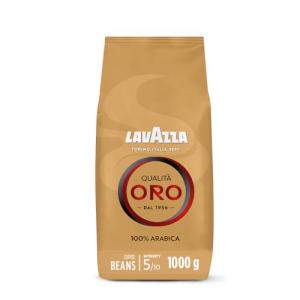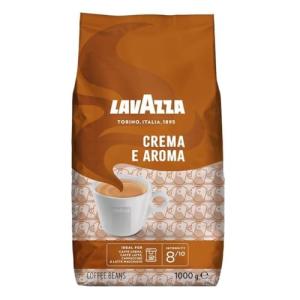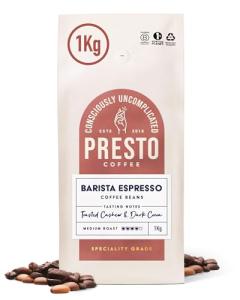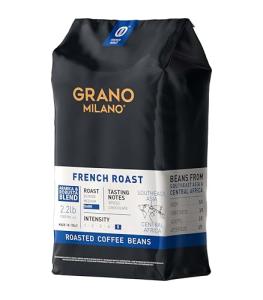


Coffee lovers often find themselves in a world of choices, each flavor profile reflecting an intricate balance of origin, roast, and caffeine content. For those who cherish the gentle nuances of flavor without the added jitters of caffeine, decaffeinated light roast coffee beans present a perfect solution. In this guide, we will dive deep into the realm of decaffeinated light roast coffee, covering the process of decaffeination, the benefits of light roasts, and how to make the most of a 2 Kg supply of these beans.
The Journey of Decaffeinated Coffee
Before we explore decaffeinated light roasts in detail, it is essential to understand what decaffeination involves. The process involves removing caffeine from the beans while preserving their unique flavors and aromas. Here’s a brief overview of the main methods used for decaffeination:
| Method | Description | Pros | Cons |
|---|---|---|---|
| Chemical Solvents | Beans are steamed and treated with solvents like methylene chloride. | Preserves flavor | Potential health concerns |
| Swiss Water Process | Beans are soaked in water to extract caffeine then filtered. | Chemical-free, retains flavors | Longer process, more costly |
| Carbon Dioxide Method | Beans are placed in a chamber with CO2 to draw out caffeine. | Keeps original flavors | Equipment-intensive |
| Trickle Method | Involves soaking the beans in boiling water and then filtering. | Natural, simple | Less consistent flavor profile |
Decaffeinated coffee can often be perceived as lesser in flavor, but high-quality decaf beans undergo careful processing to ensure that the finished product is a delight to the palate.
What Makes Light Roast Special?
Light roast coffee is often celebrated for its complex flavor profiles. Unlike darker roasts, which tend to have a robust, sometimes bitter taste, light roasts retain more of the bean's original characteristics. They exhibit vibrant acidity and a wide range of flavors, showcasing bright fruity notes, floral hints, and even herbal undertones.
Here are some distinctive traits of light roast coffee:
| Trait | Description |
|---|---|
| Acidity | Bright and often tangy, light roasts have a higher acidity compared to darker roasts. |
| Flavor Complexity | Retains the original flavors of the bean, including fruity and floral notes. |
| Caffeine Content | Surprisingly, light roasts may retain slightly more caffeine than dark roasts due to the roasting process. |
| Appearance | Light brown in color with no oil on the surface. |
Light roast decaffeinated coffee brings all these delightful aspects together, appealing to those who appreciate sophisticated flavors without the effects of caffeine.
Benefits of Decaffeinated Light Roast Coffee
- Flavor Diversity: The light roast highlights the beans' inherent flavors, making it an excellent choice for those who want to explore various coffee origins.
- Reduced Caffeine Intake: Decaffeinated options provide a way to enjoy coffee without the negative side effects of excess caffeine, such as jitters or sleep disturbances.
- Gentler on the Stomach: For individuals sensitive to caffeine, a decaf selection can be easier on the stomach while still providing a comforting warm beverage.
- Suitable for All Day Enjoyment: Decaf coffee can be consumed at any time of day without the worry of it affecting sleep patterns.
How to Make the Most of Your 2 Kg of Beans
With 2 Kg of decaffeinated light roast coffee beans, there are endless possibilities. Here are a few tips to help you fully enjoy this delightful supply:
Storage Tips
- Airtight Container: Keep the beans in an airtight container to maintain freshness. Store in a cool, dark place away from light and moisture.
- Whole Bean vs. Ground: Buy whole beans and grind them just before brewing for optimal flavor. If you prefer ground coffee, keep it in the airtight container as well.
Brewing Methods
- French Press: This method allows for full extraction of flavors and essential oils. Use a coarse grind for best results.
- Pour Over: Perfect for a controlled brewing process. It accentuates the coffee's flavor profile with careful pouring.
- Cold Brew: Great for making refreshing iced beverages, experiment with steeping times to find your preferred flavor.
Serving Ideas
- Plain: Enjoy the delicate flavors unadulterated to discover all the notes that the roaster has preserved.
- With Milk or Cream: Add milk, cream, or a non-dairy alternative for a creamy texture.
- Flavored Variants: Experiment with cinnamon, nutmeg, or vanilla for unique flavor combinations.
FAQ about Decaffeinated Light Roast Coffee Beans
1. How is decaffeinated coffee processed?
Decaffeinated coffee is processed using methods such as chemical solvents, Swiss water, carbon dioxide, or the trickle method, as discussed above.
2. Does decaffeinated coffee taste different from regular coffee?
Decaffeinated coffee can taste different, but skillfully processed decaf varieties, especially light roasts, maintain much of their original flavor.
3. Can light roast coffee have caffeine?
Yes, light roast coffee still contains a small amount of caffeine, though significantly less than regular coffee.
4. How should I brew decaffeinated light roast coffee?
You can brew decaffeinated light roast coffee using any preferred method (French press, pour-over, drip coffee maker, etc.). Adjust brewing time and coffee-to-water ratio according to your taste.
5. What is the best way to store coffee beans?
Store beans in an airtight container in a cool, dark location to maintain freshness.
6. Can I use decaf coffee for baking?
Absolutely! Decaf coffee can be an excellent ingredient in baked goods, adding a rich flavor profile without the side effects of caffeine.
Decaffeinated light roast coffee beans offer an enticing world of flavor, aroma, and enjoyment without the stimulating properties of caffeine. With a thoughtful approach to brewing and storage, those who appreciate fine coffee can savor every cup. Whether you are a seasoned coffee connoisseur or just diving into the expansive universe of coffee flavors, a 2 Kg supply of decaffeinated light roast is a delightful addition to any kitchen. So go ahead, brew a cup, and relish in the intricate taste and comfort that comes with every sip.