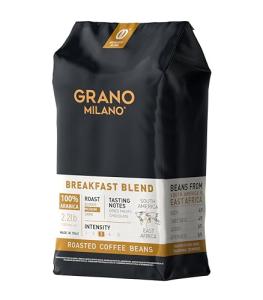
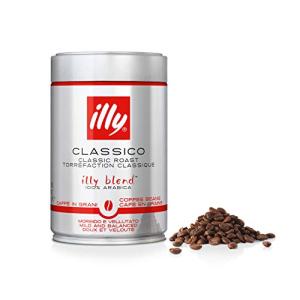
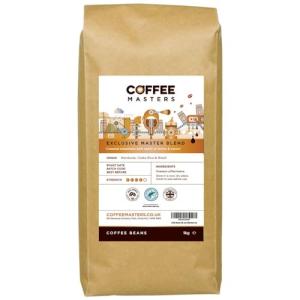
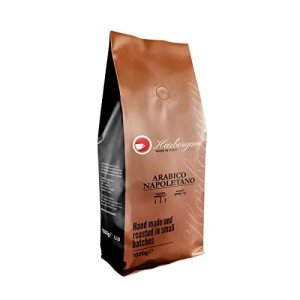
In the world of coffee, few names resonate as profoundly as "Arabica." Renowned for its rich flavor and aromatic complexity, Arabica coffee represents the pinnacle of coffee beans. Among the various Italian coffee offerings in the market, a 1kg bag of 100% Arabica Italian coffee beans stands as a beacon for coffee enthusiasts. This guide aims to explore the intricacies of these beans, delving into their history, flavor profile, benefits, and how to brew the perfect cup at home.
1. The Heritage of Italian Coffee
Italy has long been celebrated for its coffee culture. From the bustling streets of Rome to the picturesque canals of Venice, coffee is more than a drink; it is a ritual that embodies warmth and camaraderie. Italian coffee has evolved from its espresso origins into a global powerhouse with unique brewing methods and rich flavors.
The journey of Italy’s coffee began in the 16th century when coffee made its way from the Middle East to Europe. The first cafés emerged in Venice and quickly spread throughout the country. Since then, Italy has been at the forefront of coffee innovation, perfecting the art of espresso and popularizing milk-based drinks like cappuccinos and lattes.
Key Features of 100% Arabica Italian Coffee Beans
- Origin: Grown in high-altitude regions, Arabica beans are generally harvested in warmer climates, where they mature slowly, allowing for a richer flavor development.
- Quality: 100% Arabica signifies a commitment to quality. These beans are typically handpicked, ensuring that only the best and ripest beans make it to the roastery.
- Flavor Profile: 100% Arabica beans are known for their smoothness, acidity, and intricate flavors ranging from fruity and floral to nutty and chocolaty.
2. Characteristics of 100% Arabica Coffee Beans
Flavor and Aroma
The flavor profile of 100% Arabica Italian coffee beans is a nuanced experience. Depending on the specific region of origin within Italy, these beans can yield a variety of taste experiences. Some common notes associated with Arabica coffee include:
- Fruity: Hints of berry, apple, or citrus.
- Floral: Subtle notes of jasmine or lilac.
- Nutty: Almonds or hazelnuts.
- Chocolaty: Dark chocolates or mild cocoa.
Acidity
Arabica beans are appreciated for their higher acidity compared to Robusta beans. This acidity contributes brightness and clarity to the coffee, making it refreshing and invigorating. The balance of acidity in Arabica coffee is often described as smooth, avoiding the harshness found in some other bean types.
Body
The body of Arabica coffee is generally lighter, providing a tea-like quality. This makes it an ideal choice for those who prefer a more delicate cup.
3. Benefits of Drinking 100% Arabica Coffee
In addition to its delightful taste, drinking 100% Arabica coffee offers several benefits:
-
Health Benefits: Rich in antioxidants, Arabica coffee may help combat oxidative stress in the body. Moderate consumption has also been linked to lower risks of certain diseases, including type 2 diabetes and liver disease.
-
Lower Caffeine Content: Arabica beans typically contain less caffeine than their Robusta counterparts. This can be advantageous for individuals who are sensitive to caffeine yet enjoy the flavor and experience of coffee.
-
Sustainable Sourcing: Many Italian coffee brands emphasize ethical sourcing practices, ensuring that the farmers are fairly compensated and that environmental standards are upheld.
4. Brewing the Perfect Cup
To fully appreciate the richness of 100% Arabica Italian coffee beans, it is crucial to employ the right brewing techniques. Here are some popular methods and tips for brewing a delightful cup:
Popular Brewing Methods
- Espresso Machine: Best suited for Italian coffee, delivering a concentrated shot with a rich crema on top.
- French Press: Offers a fuller body and robust flavor, allowing the oils and fine particles to remain in the brew.
- Pour-Over: Ideal for highlighting the coffee’s nuanced flavors through controlled water flow.
- Moka Pot: A traditional Italian stovetop coffee maker that brews strong, rich coffee reminiscent of espresso.
Brewing Tips
- Use Fresh Beans: Grind the beans just before brewing to preserve their flavor.
- Pay Attention to Water Temperature: Ideally between 195°F and 205°F (90°C - 96°C) to prevent over-extraction.
- Experiment with Ratios: A common coffee-to-water ratio is 1:15, but feel free to adjust to your taste preference.
5. Frequently Asked Questions (FAQs)
What makes Arabica coffee better than other types?
Arabica coffee is generally considered superior due to its sweeter, softer taste and complex flavor profile. It contains more sugars and less caffeine than Robusta, making for a smoother drinking experience.
How do I store my 100% Arabica coffee beans?
Store the beans in an airtight container in a cool, dark place, away from moisture. Avoid keeping them in the refrigerator, as this can cause moisture issues. For optimal freshness, consume the beans within two to four weeks after opening.
Can I brew 100% Arabica coffee with a drip coffee maker?
Absolutely! While espresso is a popular choice for Italian coffee, a drip coffee maker can also yield great results. Just ensure that you use the right grind size and coffee-to-water ratio.
Investing in a 1kg bag of 100% Arabica Italian coffee beans is a step toward experiencing the rich tapestry of flavors and aromas that coffee has to offer. By honing your brewing skills and understanding the unique characteristics of Arabica beans, you can elevate your coffee rituals and enjoy authentic Italian coffee from the comfort of your home. With the right approach, each cup brewed can be a moment of indulgence, steeped in tradition and quality. Whether you're savoring a quiet morning or catching up with friends, the allure of Italian coffee is sure to enhance any occasion.